
My Approach
Therapy with me is relational and grounded in one belief: you're not broken, you’re actually responding to what happened.
I'm warm and direct and at times, silly. I want you to feel supported and gently challenged, because we know that change happens when you sit with the hard stuff,.
I work at the nervous system level and the narrative level. We will addressing how trauma still lives in your body, your reactions, and the protective patterns that formed.
The Pillars of Our Work
-
Understanding What’s Going On Inside
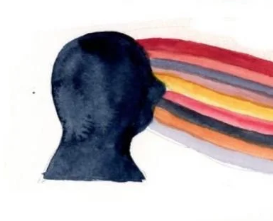
Most people have different sides of themselves that show up in different moments — a part that overthinks everything, another that pushes through exhaustion, another that wants to avoid hard feelings altogether. None of these parts are bad. They developed to protect you, often a long time ago.
In our work together we slow down and get curious about these parts — where they came from, what they're trying to do, and what they need now. This is the heart of Internal Family Systems (IFS), and over time it often leads to feeling less at war with yourself and more grounded in who you actually are.
-

Building New Patterns in Real Life and Relationships
Healing lives in your everyday life. We'll pay attention to how patterns show up in your relationships—the limits you struggle to set, the pull to people-please, the desire to learn into hyperindependent patterns. Understanding why you do this matters as much as changing it. My anthropological lens means we see these adaptations as meaningful, not broken. Together we'll practice moving toward what actually matters to you—not by eliminating difficult feelings, but by learning to carry them in a way that lets you choose differently.
-
Processing What's Still Unfinished
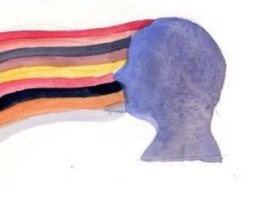
Sometimes insight isn't enough. You can understand exactly why you react the way you do and still feel stuck — because the experience lives in your nervous system, not just your mind.
Eye-Movement Desensitization and Reprocessing (EMDR) helps the brain process painful or overwhelming experiences that didn't get fully integrated at the time. It's particularly effective for complex trauma and childhood experiences, and many clients find it moves them further than years of talk therapy alone.